
CSTE’s AEF Program: 20 Years of Training the Next Generation of Applied Epidemiologists
Pop Quiz: What do Finding Nemo, the Safari internet browser and iTunes all have in common? All three are celebrating their 20th anniversary this year.
CSTE is pleased to add the Applied Epidemiology Fellowship (AEF) to that list of milestone anniversaries! Since 2003, AEF has guided recent graduates through the expanding field of applied epidemiology. In 20 years, CSTE has placed 519 fellows in 45 states
and the District of Columbia, 27 local, three territorial, and one tribal jurisdiction. AEF participants receive two years of on-the-job training at a state or local health department under the guidance of two experienced mentors. During the program,
all fellows work in public health emergency responses and 70% of fellowship graduates remain in the governmental public health sector.
In celebration of these two decades of shaping the next generation of epis, we spoke with two fellows, past and present, on what led them to AEF, their experience in the program, and the doors it has opened for their careers.
Note: These interviews have been edited for length and clarity.
Past Fellow – Ellyn Marder, DrPH, MPH, Tennessee
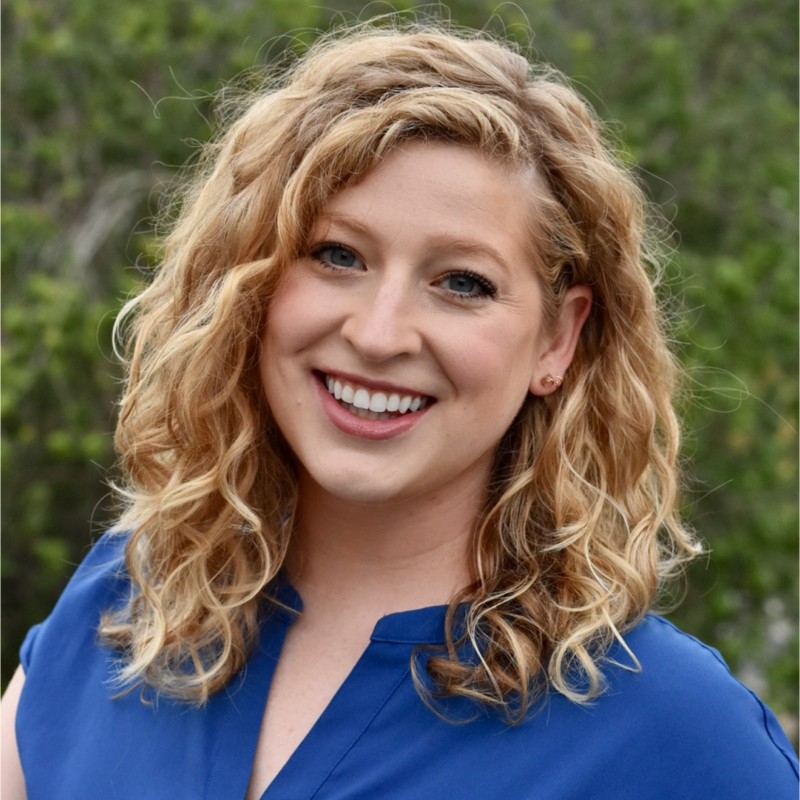
Ellyn Marder was an AEF fellow from 2012 to 2014, working at the Tennessee Department of Health. After graduating, she worked as a surveillance epidemiologist for CDC and is now a Senior Epidemiologist in Washington state. Ellyn has a BS in chemical
science from Florida State University and earned an MPH in epidemiology from Emory University in Atlanta.
Q: Was there a certain “aha” moment you had that led you being interested in epidemiology?
In college, I really kind of struggled to figure out what it was I was interested in. I liked the concept of public health, I loved science, but I was a little lost at how to apply it. My advisor suggested I take population health courses. Through being
exposed to all of these different concepts, it drove me to epidemiology, where I could still bring in the science and understanding of diseases and transmission mechanisms, but really use my skills best working with data.
Q: How did you become interested in applying for CSTE’s AEF Program?
I interned at CSTE when I was in my MPH program at Emory. So, I became really familiar with the CSTE staff and members as I attended work group, subcommittee calls, other meetings, and worked on projects with the staff. The more I learned from members
and staff about what kind of work was happening at the state and local level, I just became really excited to have that experience myself. So very luckily, I was able to apply to AEF and be accepted.
Q: You completed your fellowship at the Tennessee Department of Health. What did you work on and what was a typical day like?
A lot of what I did was outbreak investigations, whether those were from animal contact, restaurants or widely distributed food products where those were usually multi-state outbreaks. I was doing patient interviewing, designing case control studies,
collecting the data, analyzing the data, and helping inform any kind of public health measures we needed to take, what testing we should be doing at the lab. Did we need to get receipts to find out what did consumers buy at Costco or wherever else
it was? What food item on this restaurant menu could have made them sick? And then doing case finding, calling everyone who maybe dined at a restaurant that day to ask them if they also got sick so that we could figure out what was causing the illness.
Q: What lessons did you learn during your time in the AEF Program?
I think the biggest lesson is I gained so much confidence in my skills and expertise as an epidemiologist. I have phenomenal mentors and support at the state health department who gave me opportunities to try things, advice for when something wasn’t working,
and then praise when something did that really showed me where I could provide value throughout my career. And that really has just driven everything I do. I know where I can provide value in different meetings, in different context. I have that expertise
and because of the confidence that they instilled in me, I know there’s so much that I can contribute now and I’m excited to contribute it.
Q: What advice do you have for someone thinking about applying to AEF?
Do it a hundred percent. If I could go back, I would be a fellow. I tell everyone that every day. I think the fellowship provides such a unique opportunity to be on the ground, learn from renowned experts at state health departments, contribute in such
a meaningful way while learning so much about what you’re going to enjoy in public health to help shape your career. I think anyone considering it, even folks who aren’t sure about the direction they want to take, I think the AEF fellowship just provides
such a great foundation and a starting place for what public health can be for your career.
Current Fellow – Hannah Lund, MPH, Pennsylvania
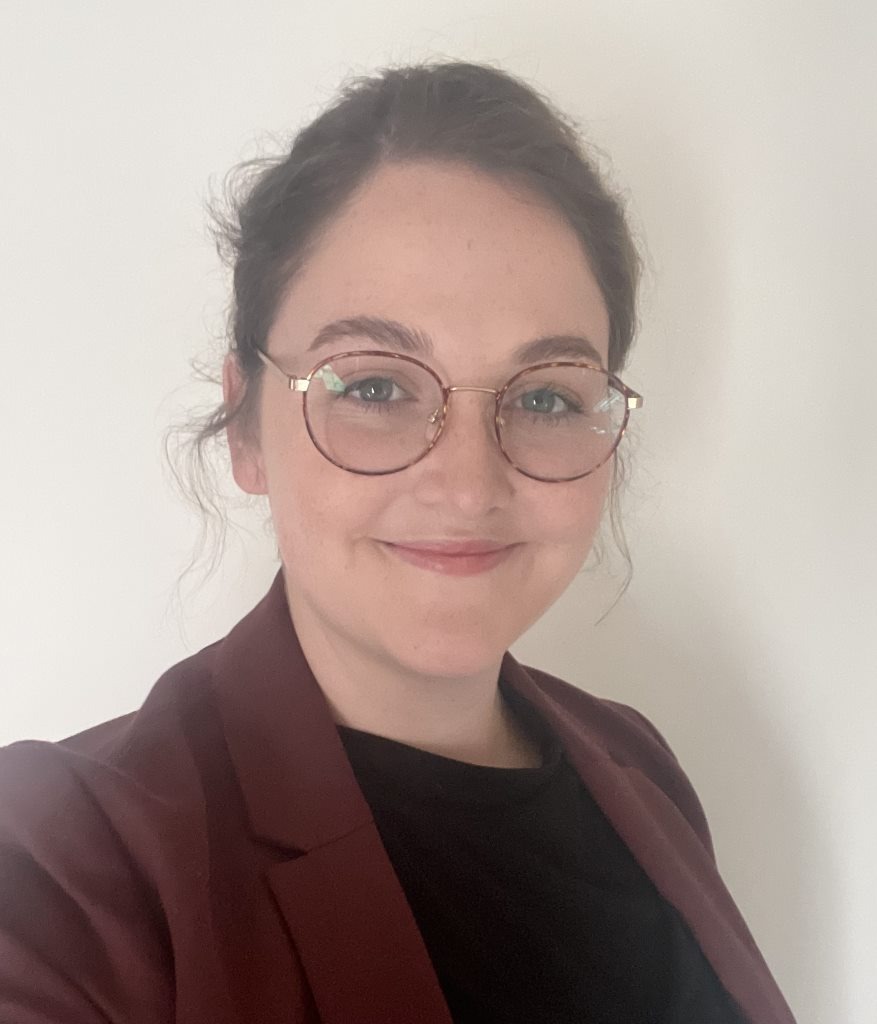
Hannah Lund is a current fellow at the Pennsylvania Department of Health where she specializes in infectious disease. Hannah has a BA in Biology from Southwest Minnesota State University and earned an MPH in epidemiology from the University of Nebraska
Medical Center.
Q: Was there a certain “aha” moment you had that led you being interested in epidemiology?
I was a junior in college in undergrad, and I was majoring in biology, and I wasn’t really sure what it was that I wanted to do, and I happened to just pick up a book and I read about what they were doing. It was a former EIS officer who went on to work
at CDC for several years, and he outlined how he got into public health, and the investigations he did while in EIS, and then working for CDC, and I was like, “Wow, that sounds like something I would really like to do.”
Q: How did you become interested in applying for CSTE’s AEF Program?
My career counselor at University of Nebraska was outstanding. She told me about a lot of different paths you can take leaving the MPH program here and mentioned CSTE’s AEF. We also had a PhD student who was a former CSTE fellow. I had the chance to hear
her speak about her AEF experience, what she did and how it helped her. And after that day, I thought, “Oh, that seems like something I would really like to do.”
Q: Your fellowship is at the Pennsylvania Department of Health. Walk us through a typical day?
I’m in the Infectious Diseases team, but don’t have a specific focus. I am really spread out through everywhere. Somebody has a project, and they need help on it, my supervisors ask, “Hannah, do you want to do this?” So, I’ve helped with hepatitis, I’ve
helped with some environmental projects with wastewater, influenza and vectorborne. I’ve done some COVID stuff. I’ve really just been kind of spread throughout and it’s been great, because I get to experience all these different things, and I get
to see what I like and I don’t like.
Q: What are your future career goals?
I would say a dream job would be working with enteric diseases. I have really enjoyed doing interviews for any enterics outbreak. I like to stay busy and always have things going on, and that’s something that is busy year-round. Everything has its season,
but there’s always something happening. And so, I think that would be my dream job.
CSTE established the Applied Epidemiology Fellowship (AEF) in 2003, closely modeled the program after the Center for Disease Control and Prevention’s (CDC) Epidemic Intelligence Service (EIS) program, which uses a mentorship model to train recent graduates in the expanding field of applied epidemiology. To learn more about AEF, please visit the newly refreshed and relaunched AEF website for more information – www.cstefellows.org.


 Blog Home
 All Blogs
 RSS
RSS